Understanding the Solar Installation Process
A residential solar installation in Texas involves several sequential steps — from initial site assessment through utility interconnection — that collectively span four to eight weeks in most cases. Each phase has specific requirements that determine its duration. Understanding this process helps homeowners set realistic expectations and plan accordingly.
Phase 1: Consultation and System Design (Week 1)
The process begins with a complimentary home energy assessment. A Solergy consultant reviews your utility billing history, evaluates your roof's size, orientation, and structural condition, assesses your electrical panel, and discusses your energy goals and budget. A customized system design and project proposal are typically delivered within a few days of the initial assessment.
Phase 2: Financing and Contract Execution (Weeks 1–2)
For homeowners selecting a financing option, the loan application process typically takes one to three business days for qualified applicants. Upon approval, loan and installation agreements are executed electronically.
Phase 3: Permitting (Weeks 2–4)
Solergy prepares and submits all required permit applications — including electrical, building, and structural permits — to the applicable municipal and county authorities. The utility interconnection application is submitted to AEP Texas or the relevant distribution utility simultaneously. Permit review timelines vary by jurisdiction, typically ranging from one to three weeks.
Phase 4: Installation (Week 4)
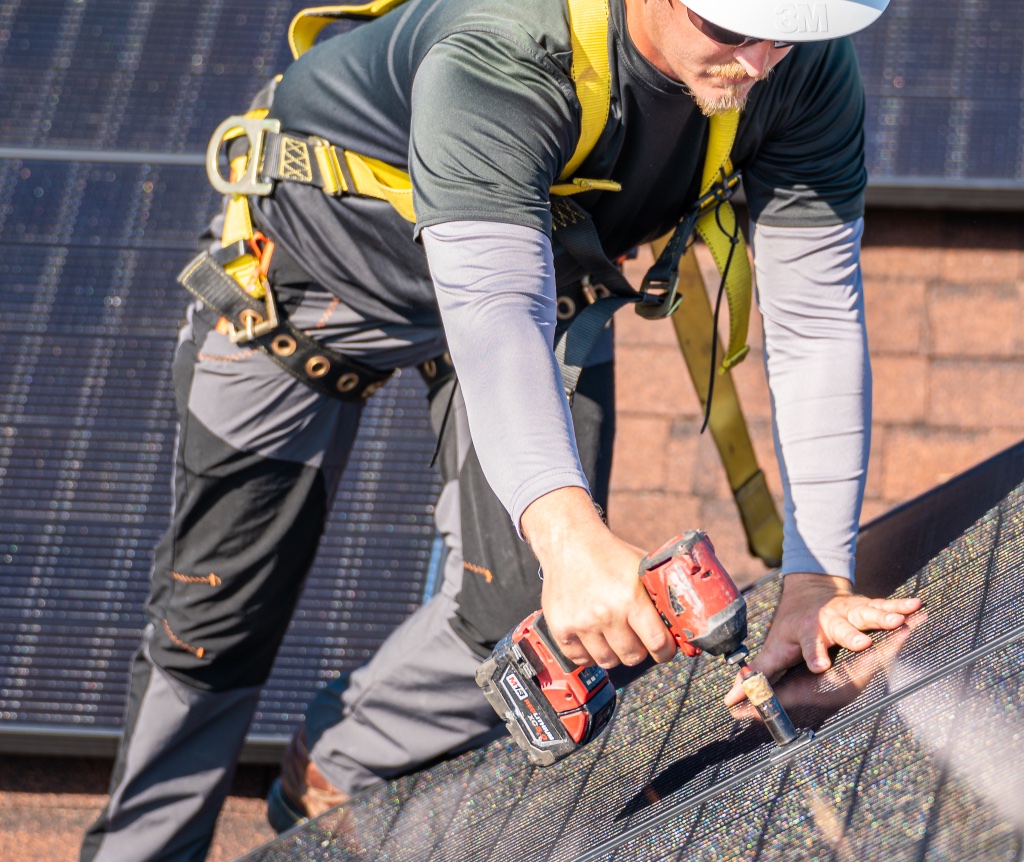
Once permits are approved, installation is scheduled. Most residential systems are installed within one to two days by our in-house crew. Installation includes panel mounting, electrical wiring, inverter installation, and system testing prior to crew departure.
Phase 5: City Inspection (Weeks 4–5)
Following installation, the relevant municipal authority schedules an electrical inspection to verify that the work conforms to the approved permit and applicable electrical codes. Inspection scheduling timelines vary by city; most inspections are completed within one to two weeks of installation.
Phase 6: Utility Interconnection (Weeks 5–7)
After the city inspection passes, the utility completes its interconnection review. AEP Texas or the applicable utility schedules a brief site visit and approves the system for grid-tied operation. During this phase, the system has been installed but is not yet authorized to export energy to the grid.
Phase 7: System Activation (Weeks 6–8)
Following utility approval, Solergy schedules a final activation appointment. System monitoring is configured, the homeowner is oriented to the monitoring platform, and grid-tie functionality is enabled. The system is now fully operational.
Factors That Affect Timeline
Municipal permitting responsiveness is the most significant variable in the overall timeline. Other factors include roof or electrical conditions requiring additional engineering, the utility's interconnection queue volume, and the homeowner's pace in executing agreements. Solergy manages all administrative steps and communicates progress at each phase.